
- Bar / Barrier Seals
- Bolt Seals
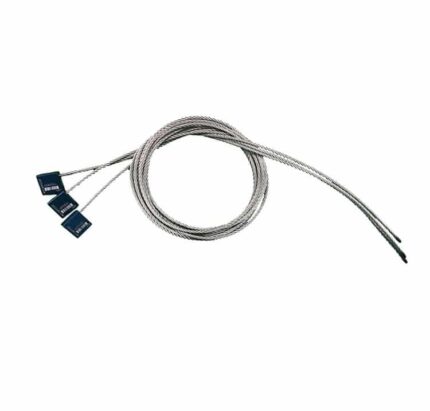
- Cable Seals
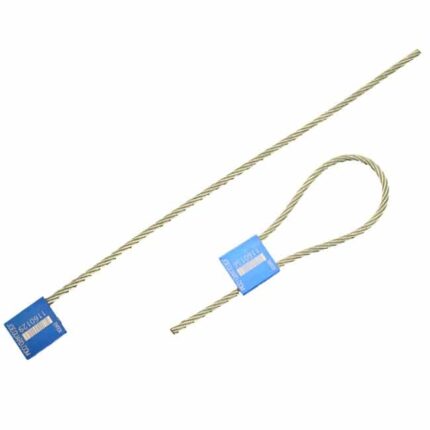
- Pull Tight Cable Seal 17″ (5/64″ / 1.8mm) PTSEAL (17″)
- Pull Tight Cable Seal 39″ (5/64″ / 1.8mm) PTSEAL (39″)
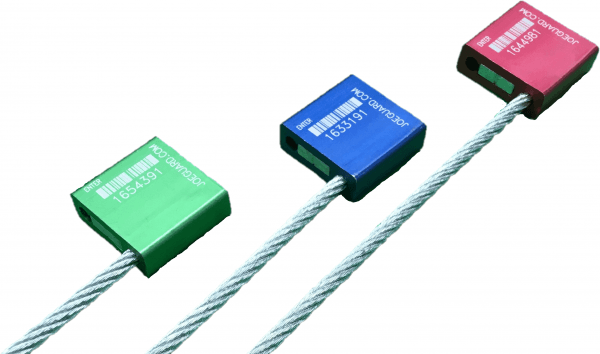
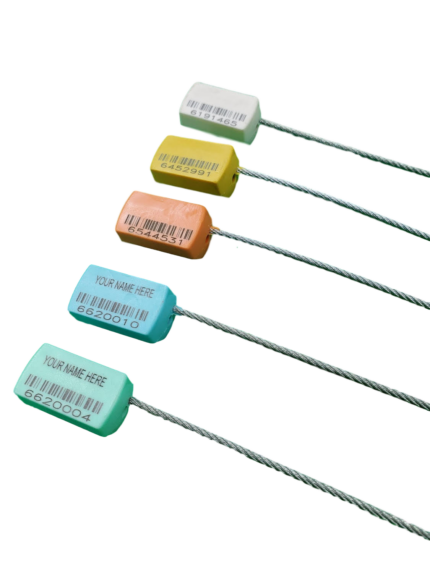
- Pull Tight Cable Seal – Model JoeGuard Series 12″
- Pull Tight Cable Seal – Model JoeGuard Series 39″
- Pull Tight Cable Seal – Model JoeGuard Series 58″
- Pull Tight Cable Seal – Model JoeGuard 78″
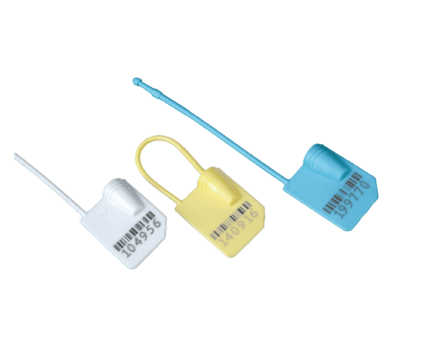
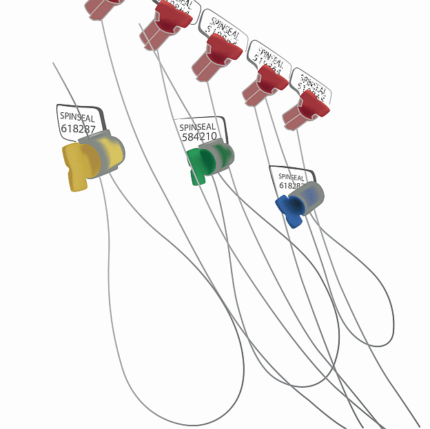
- Plastic Seals
- Tin Seals
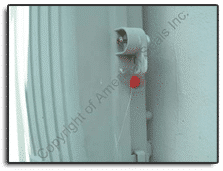
- Meter Seals
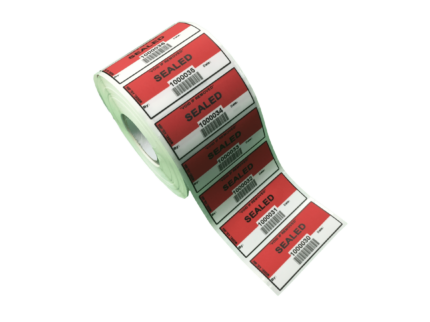
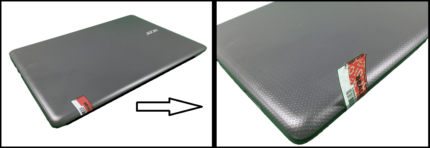
- Tamper-Proof Labels
- Trailer Seals


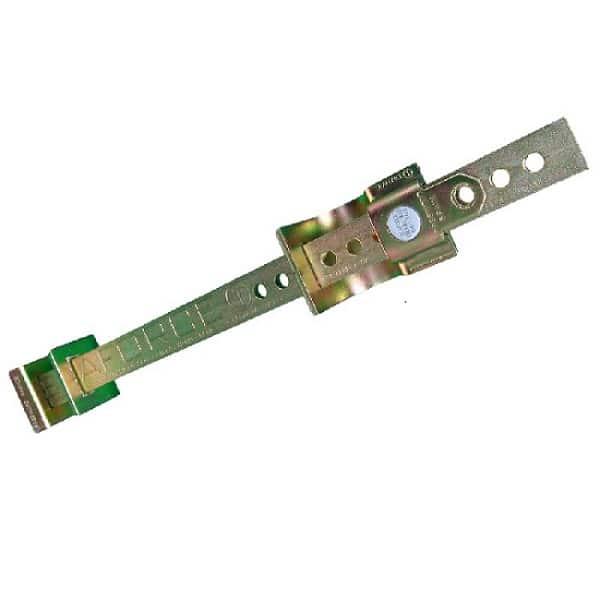
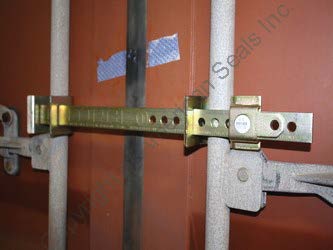
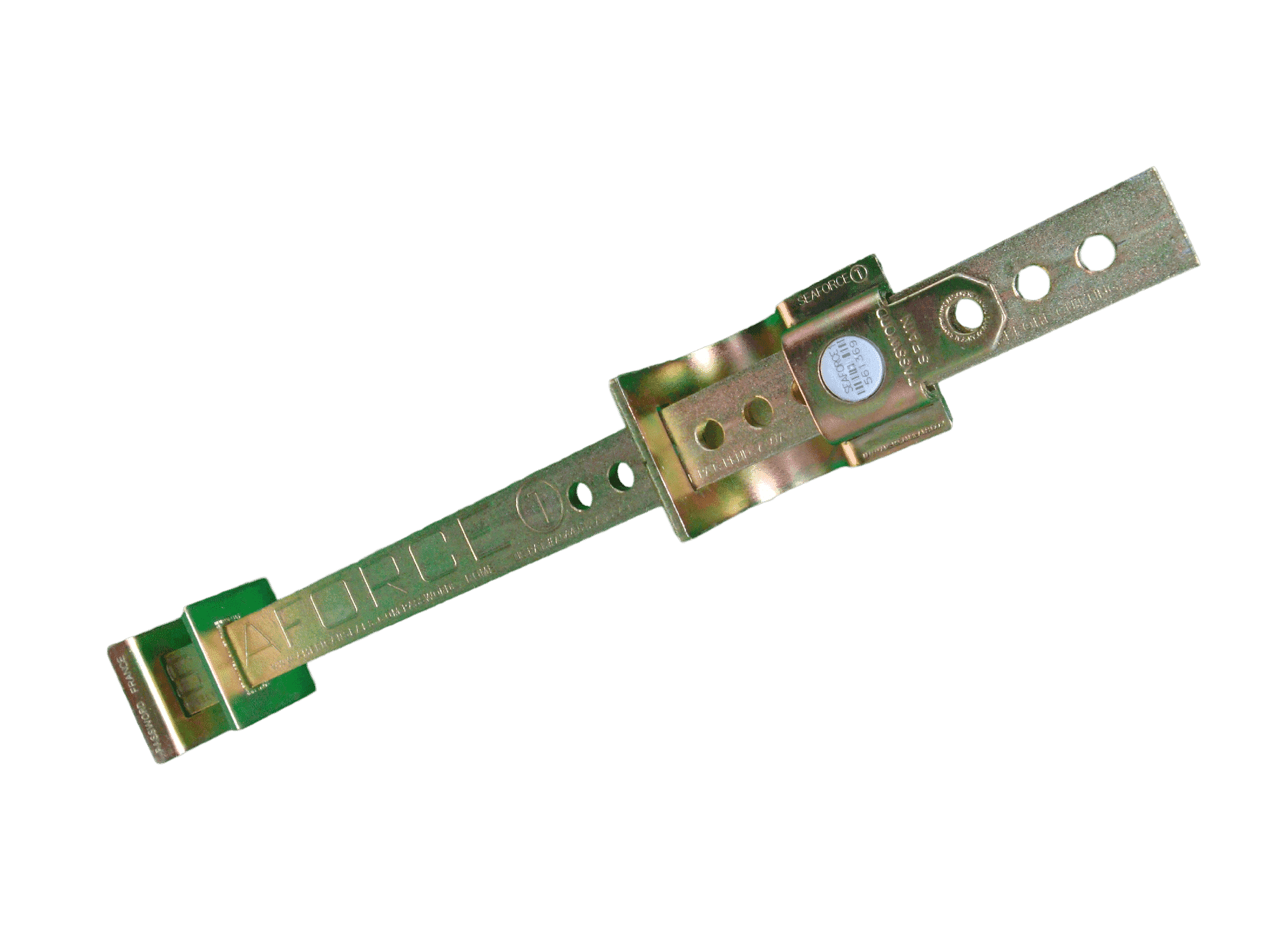
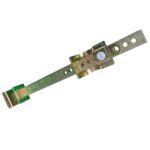
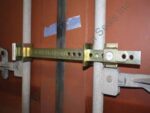
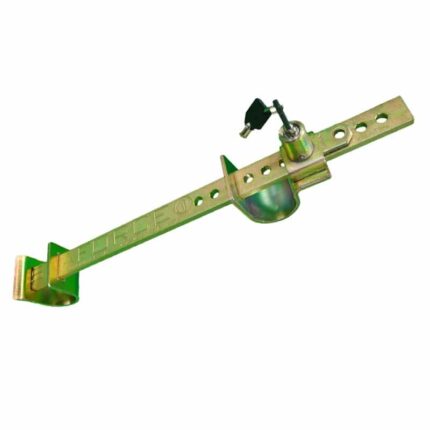
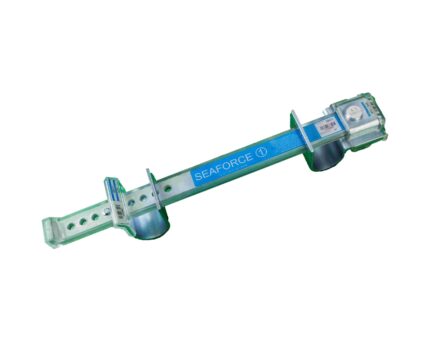
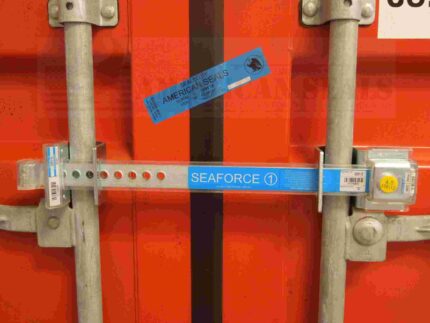
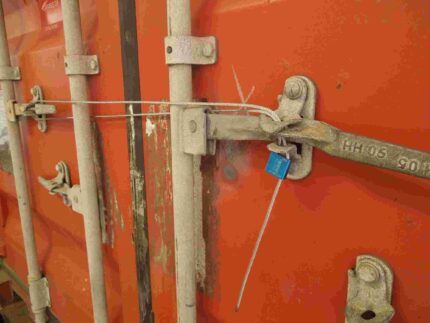
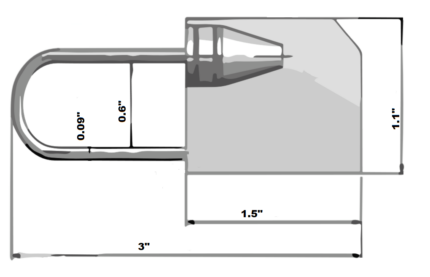
Bar / Barrier Seal – Seaforce®1 X-009 Disposable/Two Applications ($18.75 per unit)
$187.50
U.S. PATENT # 7,044,512 – # 8,056,945
High-Security ISO PASS 17712:2010
$18.75 each unit (10 units per box)
| Quantity | 1 – 9 Boxes | 10+ Boxes | 25+ Boxes | 50+ Boxes |
| Price/Unit | $18.75 | $18.55 | $18.35 | $18 |
Description
Click HERE to view Assembly Instructions.
Click HERE to view High Security ISO/PAS 17712 : 2020 Certificate.
– The Seaforce® 1 model X-009, can work as first option for instance, by using a temporary seal meanwhile the container is being loaded and has to stay overnight at the loading bay, then the following day, by removing the temporary seal you can continue to load the container. When done loading, the final seal can be placed.
It can also be used when there are many checkpoints from your point of origin to the port, so what you have to do, is each time you are required to open your container/trailer just remove the temporary seal avoiding the cutting of the bar. When the final inspection is made then you can place the permanent seal on the Seaforce® 1 X-009. There are many applications, we leave the rest to your needs and imaginations. This feature is protected under U.S. Patent number 8,056.945
– In addition, only the Seaforce® 1 X-009 comes with random password names, giving each component a proper name with more than 100,000 random combinations. This advantage is to help the fight against counterfeiting and partial replacement. Which by the way, these passwords are only known by the shipper and the receiver because they do not need to be officially published in the cargo documents. This feature is protected under U.S. Patent number 7,044.512.
Description:
- Heavy duty
- Made of galvanized steel
- Consecutive numbered
- Safety random “passwords” on each component.
- Two-way use (ask how)
- Disposable
- Other protective features not displayed for security reasons
- CTPAT and ISO PAS 17712 : 2013 Certified
- Pin mechanism inserted by light to medium pressure (Rubber mallet)
Packaging:
- 1 Carton / 10 Units
- Weight 42lbs./ 19kgs.-Carton size
- 20 1/2″ x 11″ x 6 1/2″(52.07cm x 27.94cm x 16.51cm)
Applications:
- Shipping containers
- Truck trailers
- Railcars
Common keywords: bar seals, barrier seals, bar seal for shipping containers, bar seals for truck containers.
Click Here to Return to Our Homepage
With evident benefits in the transportation and logistics sectors, investing in our robust range of pull tight cable seals is a practical way to protect your goods from tampering, theft, unauthorized access and contamination. For more information on how our range of security products can benefit your business, visit our ‘Contact us’ page, call us on 954-438-8229 or email us at sales@americanseals.com
Additional information
| Weight | 42 lbs |
|---|---|
| Dimensions | 20.5 × 11 × 7 in |
Glossary Terms
Glossary Terms
Technical Glossary: Security Seal Terminology
Understanding the technical language of the security industry is vital for selecting the correct equipment for your fleet or facility. Below are the core terms used by American Seals in the engineering of our Joeguard and Bar Seal products.
ISO 17712:2013
The international standard that establishes uniform procedures for the classification, acceptance, and withdrawal of mechanical freight container seals. It provides a single source of information on mechanical seals which are acceptable for securing containers in international commerce.
High-Security (H-Class)
The highest tier of the ISO 17712 standard. To be “H-Class,” a seal must undergo rigorous physical testing, including tensile (pulling), shear (cutting), bending, and impact tests. Both Joeguard Cable Seals and our Heavy-Duty Bar Seals are engineered to meet this standard.
Tensile Strength
The maximum amount of pulling force a seal can withstand before the locking mechanism or the material itself fails. For Joeguard seals, this is typically measured in kilonewtons (kN) or pounds-force (lbf). High tensile strength is what prevents manual removal by thieves.
Tamper-Evident
Unlike “tamper-resistant,” a tamper-evident seal is designed specifically to show permanent, visible proof if a breach has been attempted. This includes features like “splayed” cable ends that cannot be re-inserted or laser markings that discolor when tampered with.
Galvanization
The process of applying a protective zinc coating to steel to prevent rusting. This is critical for cable seals (like Joeguard) used in maritime environments where salt air and high humidity would otherwise corrode the locking mechanism within days.
Chain of Custody
The chronological documentation or paper trail that records the sequence of custody, control, transfer, and analysis of a shipment. High-quality serial numbering on seals is the cornerstone of a digital chain of custody.
Shipping & Delivery
Related products