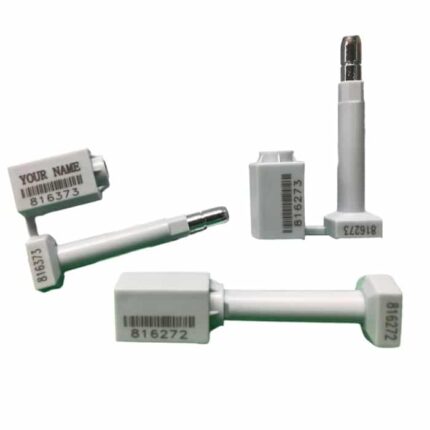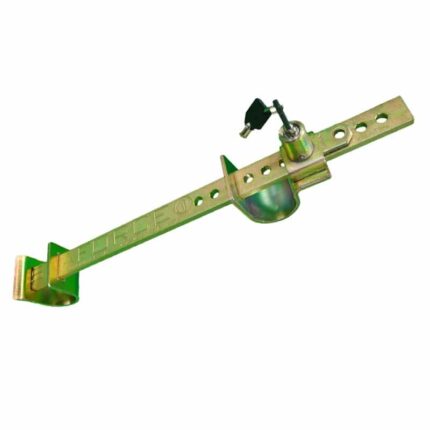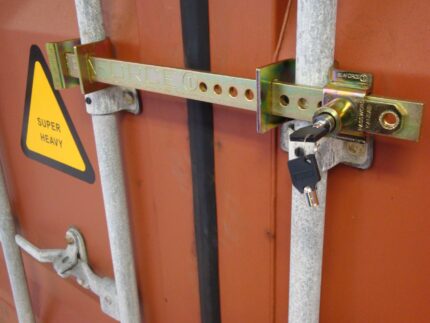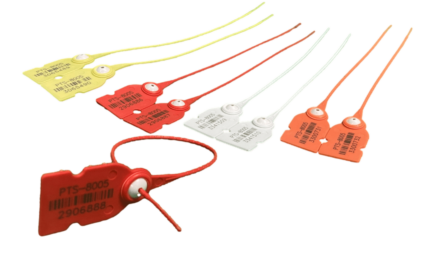

- Bar / Barrier Seals
- Bolt Seals
- Cable Seals
- Pull Tight Cable Seal 17″ (5/64″ / 1.8mm) PTSEAL (17″)
- Pull Tight Cable Seal 39″ (5/64″ / 1.8mm) PTSEAL (39″)
- Pull Tight Cable Seal – Model JoeGuard Series 12″
- Pull Tight Cable Seal – Model JoeGuard Series 39″
- Pull Tight Cable Seal – Model JoeGuard Series 58″
- Pull Tight Cable Seal – Model JoeGuard 78″
- Plastic Seals
- Tin Seals
- Meter Seals
- Tamper-Proof Labels
- Trailer Seals
Back to products
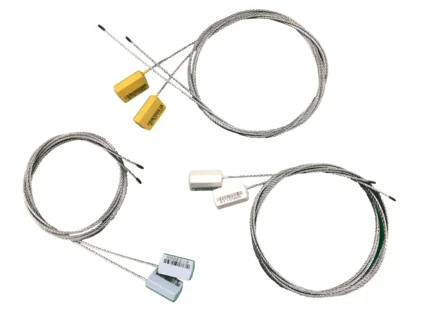
Pull Tight Cable Seal 39″ (5/64″ / 1.8mm) PTSEAL (39″) ($0.72 per unit)
$360.00 – $435.00Price range: $360.00 through $435.00
Pull Tight Cable Seal 17″ (5/64″ / 1.8mm) PTSEAL (17″) ($0.52 per unit)
$260.00
$0.52 per unit (500 units per box)
- FREE Customization
| Quantity | 1 – 9 Boxes | 10+ Boxes | 25+ Boxes | 50+ Boxes |
| Price/Unit | $0.52 | $0.50 | $0.48 | $0.46 |
SKU:
N/A
Category: Cable Seal
Tags: Barcoded, Cable, consecutive numbering, Container, Custom, Customizable, Numbered, Rail Car, Railcar, security seal, Truck, Wire
Description
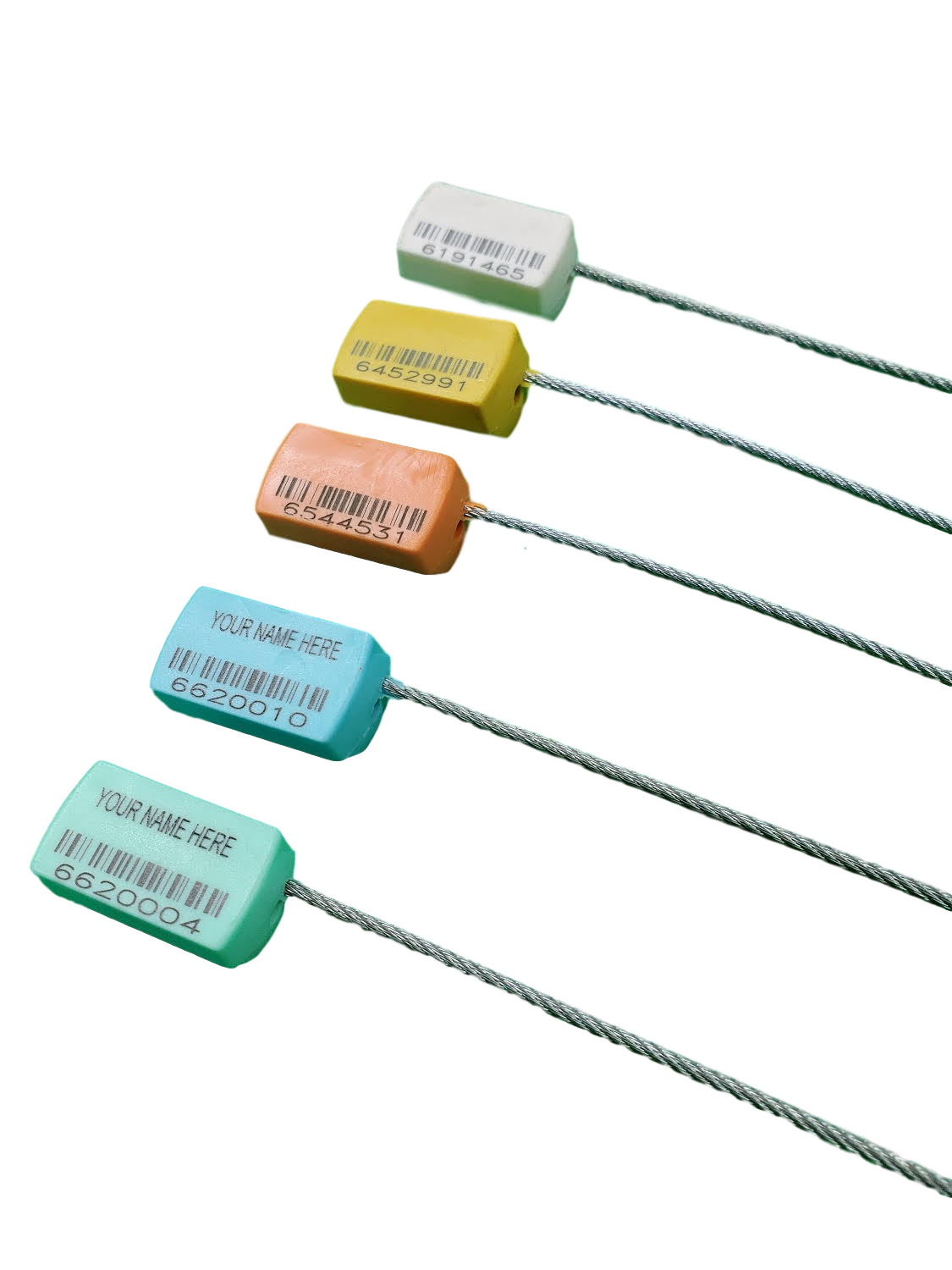
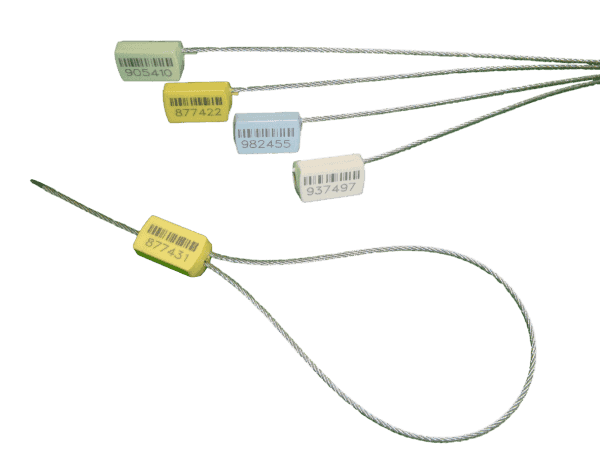
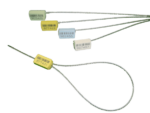
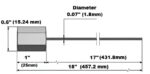
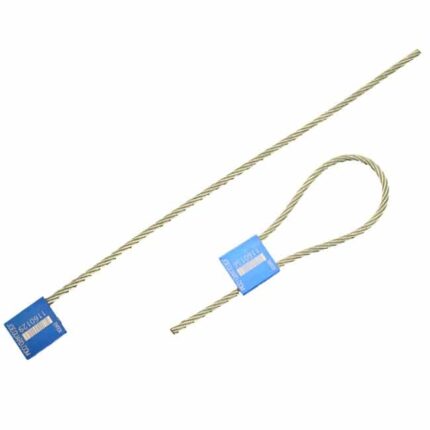
With a myriad of security applications, our range of pull tight cable seals come with a flexible galvanized cable that is fully adjustable to achieve the desired/required length.
Your Company Name laser engraved on the seals. Orders engraved and shipped in just days.
**Color Availability Notice: Product COLOR will be at our discretion unless otherwise stated in the notes section of the checkout page at the time of order placement, and subject to availability. You can contact us directly by email at sales@americanseals.com or 954-438-8323 to verify color availability and stocks prior to purchase **
Description:
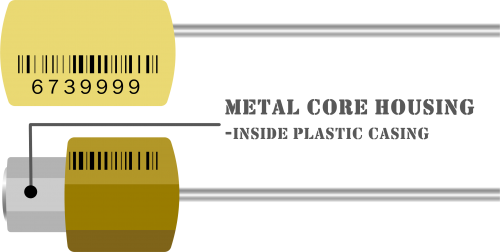
- Galvanized cable seal
- Bar coded
- One piece adjustable length cable
- Carbon steel / Galvanized
- ABS plastic cover on female part
- Sequential numbering up to 6 digits
- Removed by cable cutter
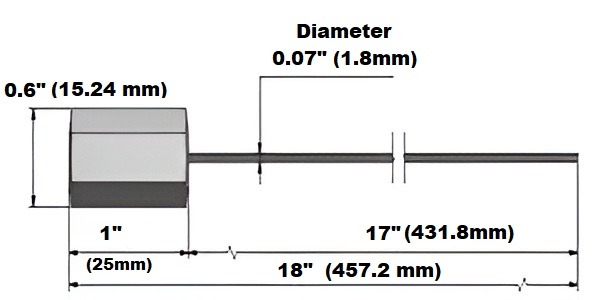
- Standard cable length 17″
- Cable diameter 5/64″ (1.8mm)
- US customs accepted
- Pull strength average 440 lbs
- HS CODE 8309.90.0000
Packaging:
- 1 carton – 500 units
- Weight 22 lbs / 9.98 kgs
- Carton size 12 3/4″ x 7″ x 7″(32.38cm x 17.78cm x 17.78cm)
Applications:
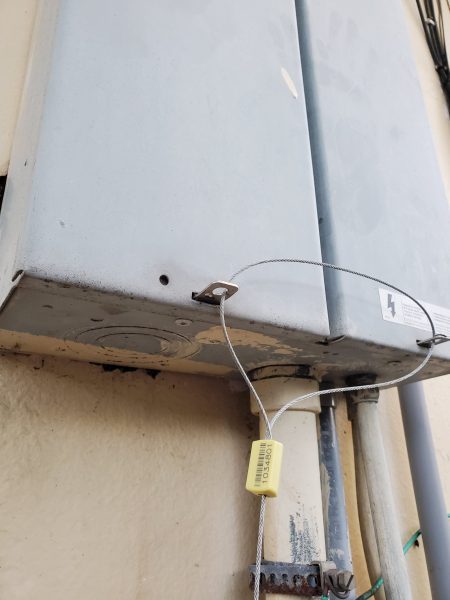
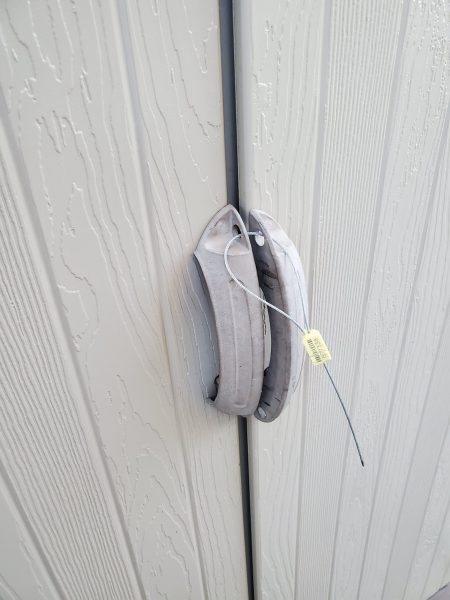
- Shipping containers, truck trailers, drums, valves, doors, railroad cars, Oil meter, automotive, Go-Karts, Chemical containers, Steel Drums etc..
With evident benefits in the transportation and logistics sectors, investing in our robust range of pull tight cable seals is a practical way to protect your goods from tampering, theft, unauthorized access and contamination. For more information on how our range of security products can benefit your business, visit our ‘Contact us’ page, call us on 954-438-8229 or email us on sales@americanseals.com
Additional information
| Weight | 22 lbs |
|---|---|
| Dimensions | 13 × 8 × 8 in |
| Engraving option |
No ,Yes |
JoeGuard FAQ’s
JoeGuard FAQ’s
The Ultimate Guide to Joeguard Cable Seals
Welcome to the most comprehensive resource for Joeguard Cable Seals. In an era where global supply chain security is under constant threat, choosing the right tamper-evident solution isn’t just a logistics choice—it’s a risk management necessity. American Seals provides Joeguard solutions designed to meet the rigorous demands of international trade, high-value asset protection, and regulatory compliance.
Section 1: Security & Compliance Excellence
What is the ISO 17712:2013 certification, and do Joeguard seals meet it?
The ISO 17712:2013 standard is the gold standard for mechanical freight container seals. It categorizes seals into three classes: Indicative, Security, and High Security. Our Joeguard series is specifically engineered and independently tested to meet the “H” (High Security) classification. This certification involves rigorous testing against tensile, shear, bend, and impact forces. When you use a Joeguard seal, you are utilizing a product that has been proven to withstand extreme physical tampering attempts.
How do Joeguard seals support C-TPAT requirements?
C-TPAT (Customs-Trade Partnership Against Terrorism) is a voluntary supply chain security program led by U.S. Customs and Border Protection. For international shipments entering the United States, C-TPAT mandates the use of ISO 17712 High Security seals. By implementing Joeguard seals, American Seals customers ensure their cargo is “fast-tracked” through customs, reducing the likelihood of intensive examinations and costly delays at the border.
What prevents the cable from being pulled back out once locked?
The Joeguard mechanism utilizes a one-way internal locking chamber featuring a high-tensile locking pawl or ball-bearing system. Once the galvanized steel cable is inserted and pulled through, the internal teeth bite into the cable. Any attempt to pull the cable in reverse only causes the locking mechanism to bite deeper, making it physically impossible to retract the cable without destroying the seal body.
Section 2: Technical Specifications & Material Science
What are the advantages of galvanized steel cable over standard steel?
Standard steel is prone to rapid oxidation (rusting) when exposed to saltwater or humidity—common conditions in maritime shipping. Joeguard seals utilize galvanized steel, which is coated in a protective layer of zinc. This prevents corrosion, ensuring that the seal remains structurally sound and the laser-etched serial numbers remain legible even after weeks on a transoceanic vessel. Furthermore, the cable is designed to “splay” or unravel if cut, which prevents a bad actor from attempting to glue or weld the cable back together after a breach.
Can Joeguard seals withstand extreme temperature fluctuations?
Yes. Our seals are tested for performance in environments ranging from -40°C to 110°C (-40°F to 230°F). This makes them suitable for everything from refrigerated “reefer” containers to high-heat desert transport. The aluminum alloy or high-impact plastic bodies used in our Joeguard range are UV-stabilized to prevent brittleness and cracking under direct sunlight.
Section 3: Applications Across Industries
Why are Joeguard seals preferred for the oil and gas industry?
In the oil and gas sector, seals are used on valves, tankers, and pipeline hatches. The adjustable length of the Joeguard cable seal allows it to fit around complex valve handles that a standard bolt seal simply cannot reach. Its non-corrosive properties are vital in refineries and offshore platforms where chemical exposure is a daily reality.
Are these seals suitable for rail car security?
Absolutely. Rail cars face unique vibrations and physical stresses during long-haul transport. The flexibility of the Joeguard cable allows it to absorb the shock of rail shunting without snapping, a common failure point for rigid plastic seals. The high-security rating also protects against “train hopping” theft attempts in remote areas.
Section 4: Customization & Chain of Custody
What type of laser marking is available?
We use state-of-the-art CO2 and Fiber laser marking systems. Unlike thermal printing, laser marking permanently alters the surface of the seal. This means your company logo, 1D/2D barcodes, or QR codes cannot be removed with chemicals or abrasives. This is the cornerstone of a secure chain of custody—if the markings look altered, the cargo is compromised.
How should I record and manage seal serial numbers?
For maximum security, we recommend a “Triple-Check” system: Record the number at the point of origin, note it on the Bill of Lading, and verify it against the physical seal at every checkpoint or transshipment point. Our Joeguard seals come with high-contrast numbering specifically to prevent “reading errors” by gate personnel.
Section 5: Installation and Removal Protocols
Step-by-Step: Proper Installation of a Joeguard Seal
1. Inspect the seal: Ensure the body and cable show no signs of factory defect or prior tampering.
2. Thread the cable: Pass the cable through the locking bars or hasps of the container.
3. Engage the lock: Insert the loose end of the cable into the hole marked on the seal body.
4. Tighten: Pull the cable through until the loop is as tight as possible. A tight loop minimizes the surface area available for a tool to gain leverage.
5. Final Tug: Give the seal a firm tug to ensure the internal mechanism is fully engaged.
What are the safest removal practices?
Because Joeguard seals are High-Security, they require bypass-style cable cutters. We recommend using 24-inch or larger industrial cutters. Always wear eye protection during removal, as the tension in the cable can cause it to “whip” when severed. Once removed, the seal should be disposed of in a way that prevents the serial number from being reused or “faked” on a different seal.
Summary: The American Seals Joeguard Cable Seal is more than just a piece of hardware; it is a critical component of your global security strategy. Whether you are shipping electronics, pharmaceuticals, or industrial equipment, our Joeguard line provides the peace of mind that comes from ISO-certified engineering.
Glossary Terms
Glossary Terms
Technical Glossary: Security Seal Terminology
Understanding the technical language of the security industry is vital for selecting the correct equipment for your fleet or facility. Below are the core terms used by American Seals in the engineering of our Joeguard and Bar Seal products.
ISO 17712:2013
The international standard that establishes uniform procedures for the classification, acceptance, and withdrawal of mechanical freight container seals. It provides a single source of information on mechanical seals which are acceptable for securing containers in international commerce.
High-Security (H-Class)
The highest tier of the ISO 17712 standard. To be “H-Class,” a seal must undergo rigorous physical testing, including tensile (pulling), shear (cutting), bending, and impact tests. Both Joeguard Cable Seals and our Heavy-Duty Bar Seals are engineered to meet this standard.
Tensile Strength
The maximum amount of pulling force a seal can withstand before the locking mechanism or the material itself fails. For Joeguard seals, this is typically measured in kilonewtons (kN) or pounds-force (lbf). High tensile strength is what prevents manual removal by thieves.
Tamper-Evident
Unlike “tamper-resistant,” a tamper-evident seal is designed specifically to show permanent, visible proof if a breach has been attempted. This includes features like “splayed” cable ends that cannot be re-inserted or laser markings that discolor when tampered with.
Galvanization
The process of applying a protective zinc coating to steel to prevent rusting. This is critical for cable seals (like Joeguard) used in maritime environments where salt air and high humidity would otherwise corrode the locking mechanism within days.
Chain of Custody
The chronological documentation or paper trail that records the sequence of custody, control, transfer, and analysis of a shipment. High-quality serial numbering on seals is the cornerstone of a digital chain of custody.
Shipping & Delivery
Related products
Select options
This product has multiple variants. The options may be chosen on the product page
Pull Tight Cable Seal – Model JoeGuard Series 39″ ($1.39 per unit)
$139.00 – $154.00Price range: $139.00 through $154.00
Select options
This product has multiple variants. The options may be chosen on the product page
Pull Tight Cable Seal – Model JoeGuard Series 58″ ($1.99 per unit)
$199.00 – $214.00Price range: $199.00 through $214.00
Select options
This product has multiple variants. The options may be chosen on the product page